OpEds & Personal Essays
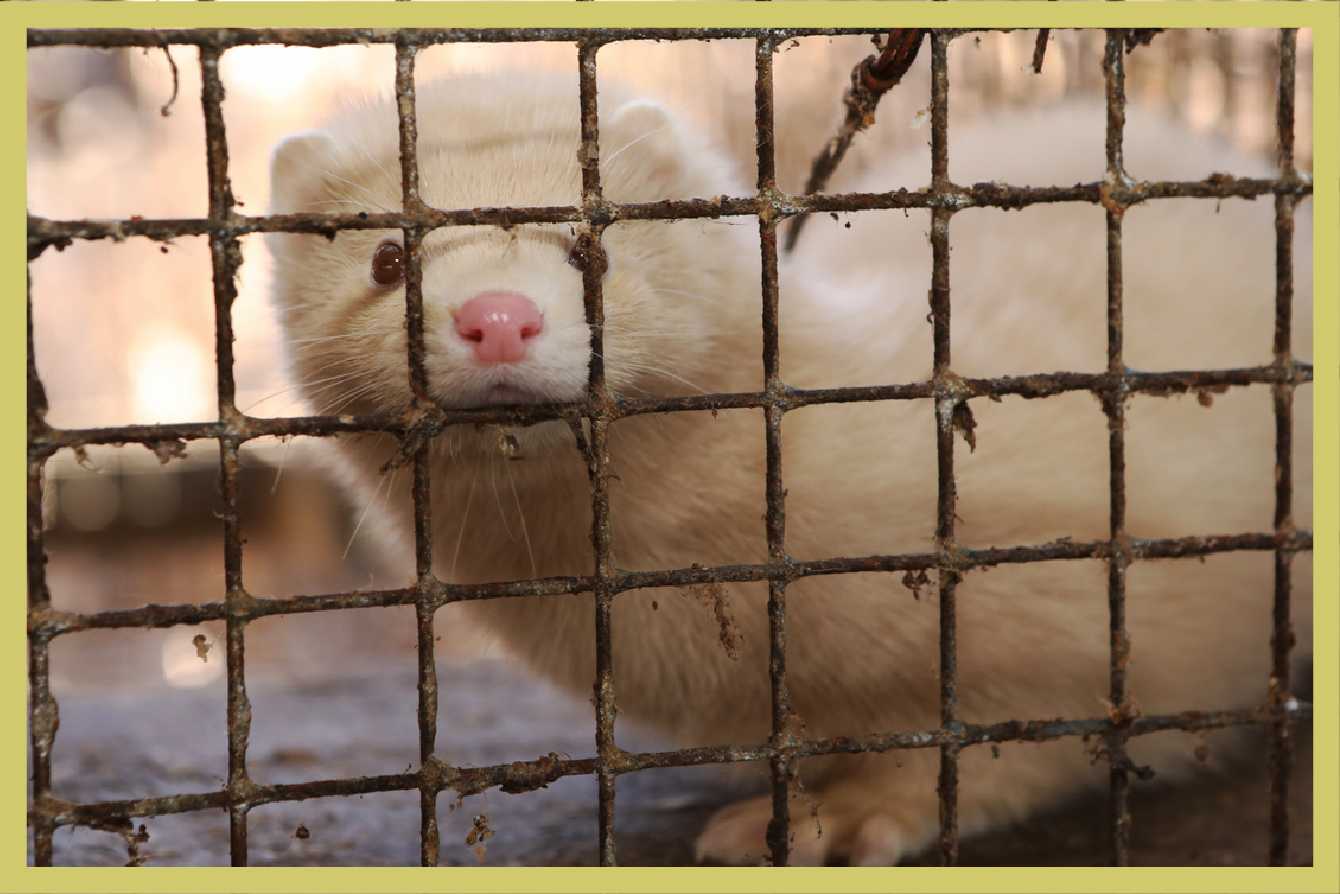
Think Global: Bird Flu on Utah Mink Farm Raises Biosecurity Questions (2026)
An outbreak of H5N1 on a Utah mink farm puts the public at risk, and a bill in Congress could expand fur farming.
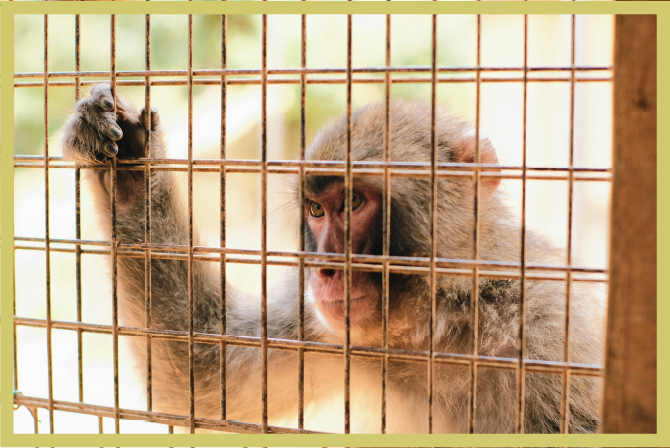
Los Angeles Times: Forget about COVID-19’s origins. Focus on preventing the next pandemic (2026)
More than six years after a novel coronavirus spread to the United States, our nation’s leaders are still locked in a partisan cage-match over the origin of the pathogen.
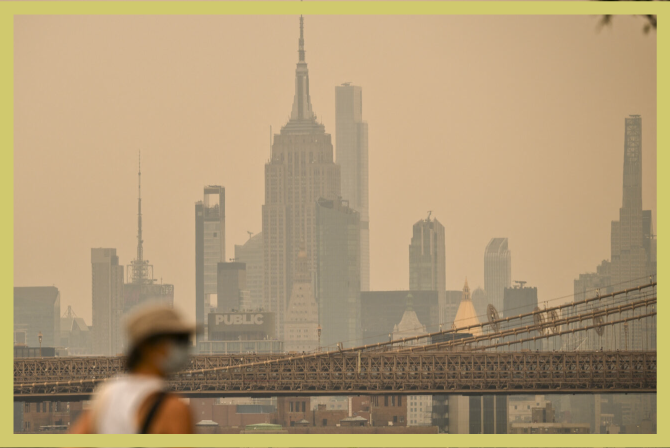
STAT News: What the 20th-century war on smog tells us about today’s wildfire smoke (2026)
The evolution of air pollution policy shows how to respond to the dangerous haze.
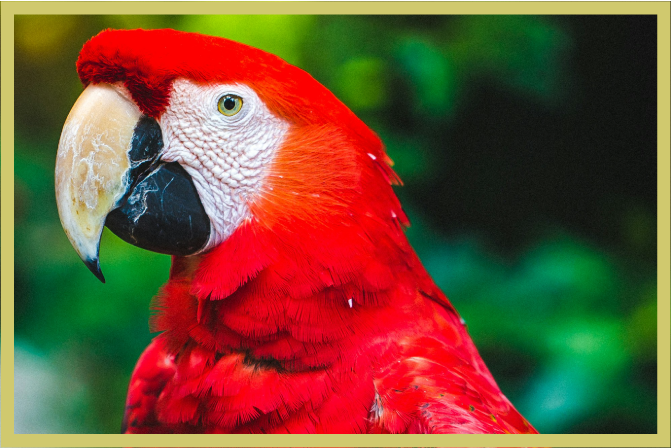
Think Global Health: A Call to End the Open-Border Policy for U.S. Wildlife Trade (2026)
The U.S. government should use its existing authority to address zoonotic spillover risks from importing animals.
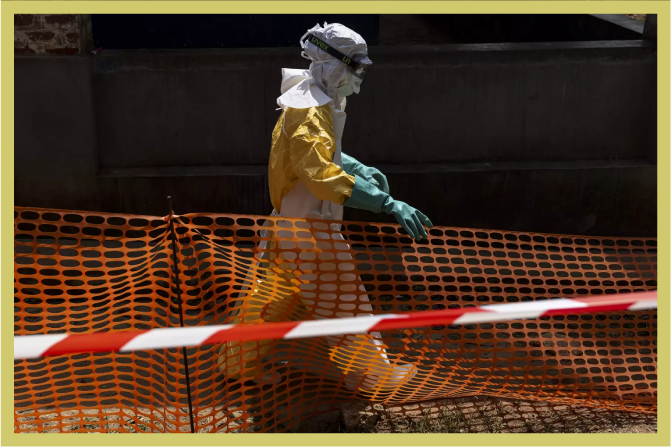
Los Angeles Times: U.S. should help contain Ebola outbreak, not aggravate the crisis (2026)
Ebola is a diabolical disease. The virus, which can cause severe hemorrhaging, spreads through blood and other bodily fluids.
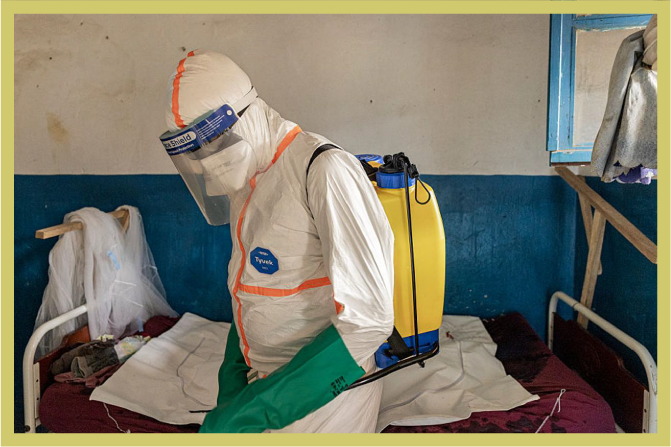
TIME: The Ebola and Hantavirus Outbreaks Offer an Ominous Warning (2026)
Ebola and hantavirus are different viruses spreading under different circumstances, but both come from animals.
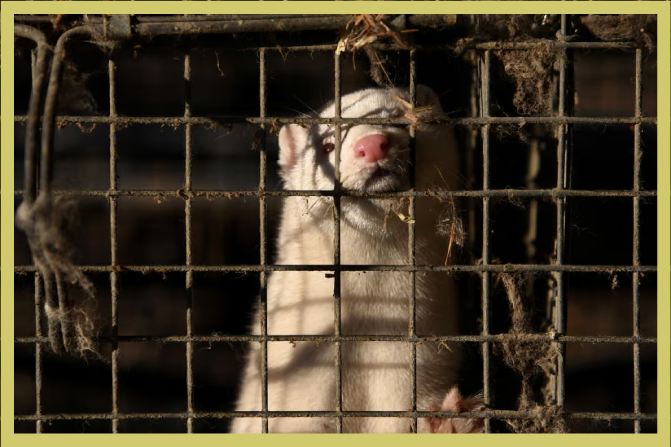
The Guardian: Ban fur farming or risk a new pandemic (2026)
Banning an industry that is brutal to animals could be one of the most consequential public-health measures in decades.
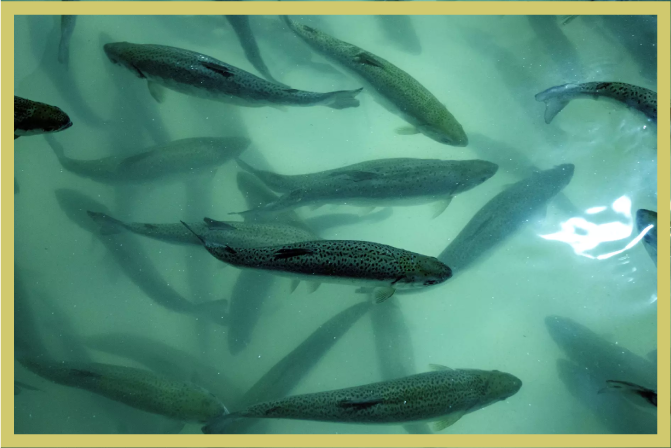
Los Angeles Times: Factory farming of fish is brewing pathogens (2026)
Numerous researchers have found that drug-resistant strains of bacteria are alarmingly common in the water surrounding aquaculture facilities.

STAT News: Climate and health strategies must address the biodiversity crisis (2025)
Without integrating biodiversity into climate and health strategies, efforts to stabilize climate and protect public health will fall short.
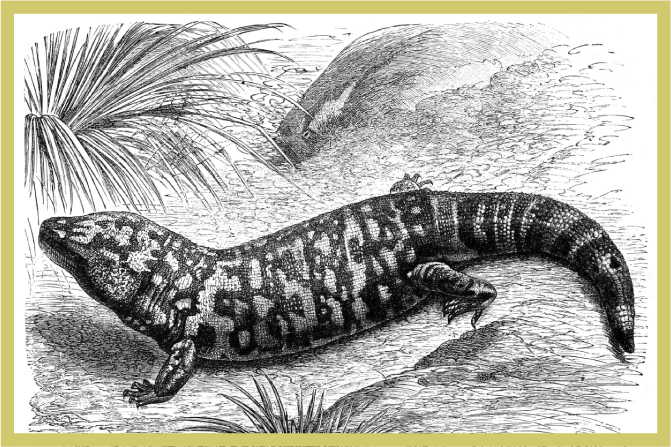
Los Angeles Times: Save the Earth’s ‘creepy-crawlies.’ Some of them just might save us (2025)
The world’s “creepy-crawlies” are responsible for some of the most consequential pharmaceutical breakthroughs of the past century.

Men’s Health: Jiu Jitsu—Yes, the Sport With Chokeholds—Has Something to Teach America About Community (2025)
In an era of hyperpartisanship and alienation, I’ve seen firsthand how this martial art can be a moderating force.
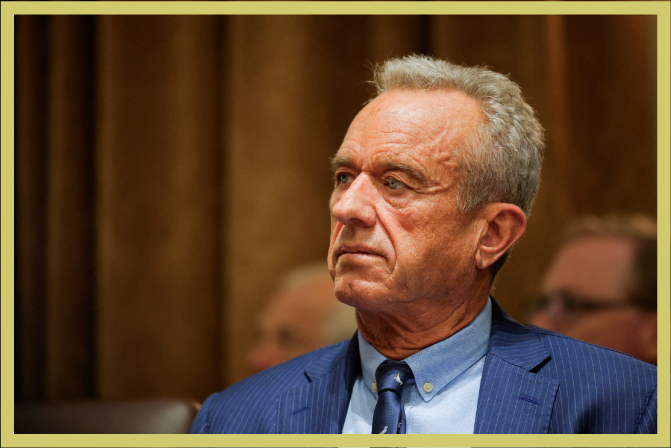
Think Global Health: RFK Could Prevent a Bird Flu Pandemic—By Embracing His Environmentalist Roots (2025)
Three steps Robert F. Kennedy, Jr. could take to strengthen the U.S. Department of Agriculture's recent bird flu plan.
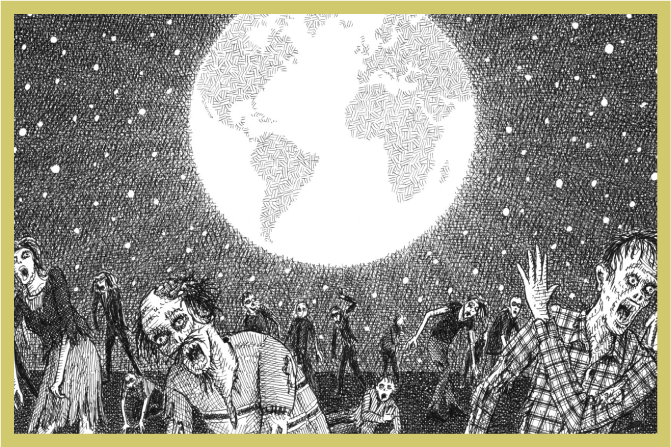
Atmos: How zombies and vampires help me grapple with disaster (2024)
Horror stories are a critical tool for that purpose and could be made even more powerful by holding dread and hope in greater balance. Humanity has thrived in the face of adversity since the beginning of our history. We are far from perfect, but we’re resilient. Time and time again, people have overcome the most cynical predictions. We can—and will—do the same for the real-world terrors stalking us right now.
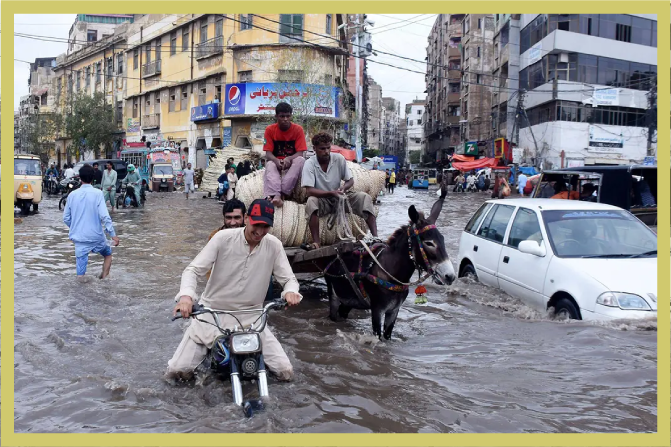
Medpage Today: The Green Elephant in Medical School Classrooms (2024)
Climate change is the elephant in our medical school classrooms. It's time to address it.
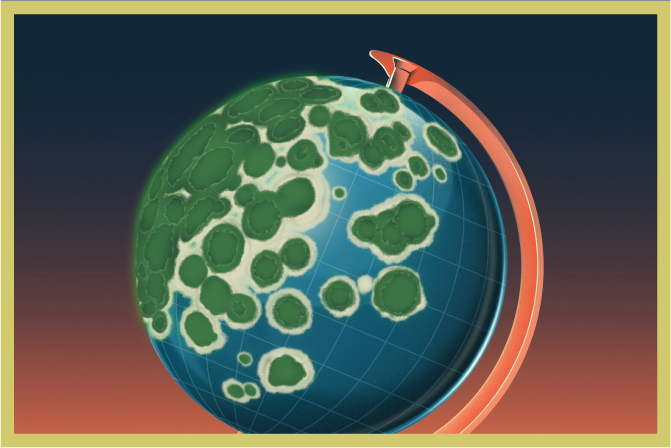
New York Times: ‘The Last of Us’ is right. Our warming planet is a petri dish (2023)
The idea that climate change is making the emergence of new health threats more likely is solid. Could it cause a fungus ubiquitous in the environment tomorph into a lethal pathogen in humans? It’s possible.
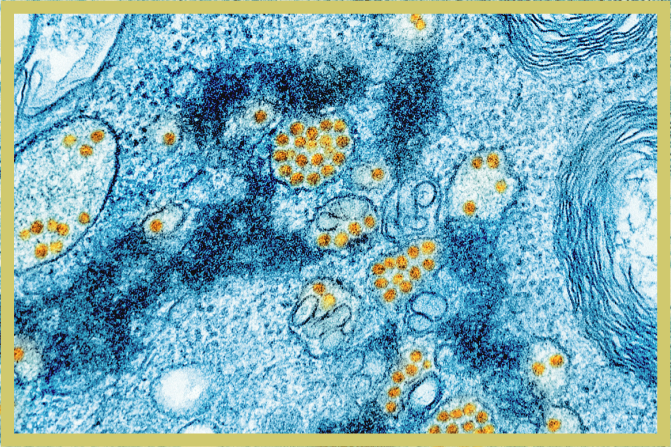
Council on Foreign Relations: Preventing and Preparing for Pandemics With Zoonotic Origins (2022)
Every viral pandemic since 1900 has been the result of spillover from animals to humans. Public health systems should take the steps outlined by Jay Varma and Neil Vora to limit the potential for spillover and the rapid spread of pathogens.
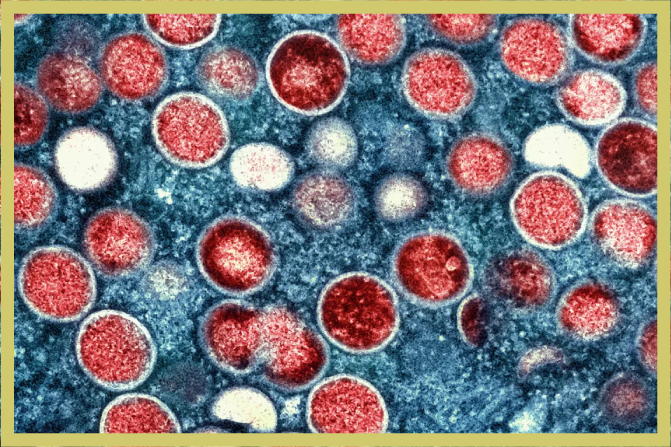
The Hill: New World Bank pandemic fund must prioritize prevention (2022)
New World Bank pandemic fund must prioritize prevention. It must explicitly state that a key goal of this fund is to address spillover.
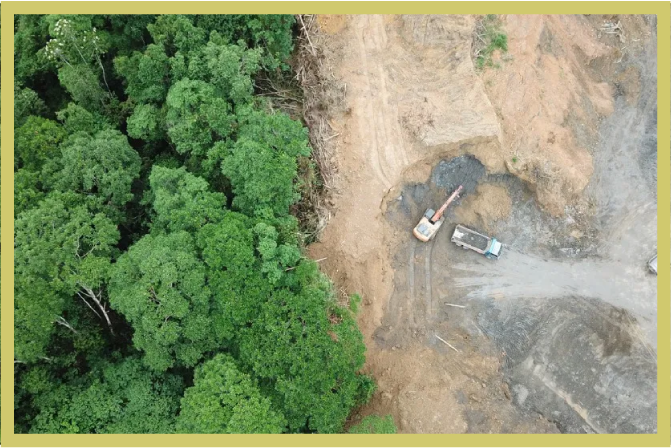
The Hill: Why stopping deforestation must be a priority for public health (2021)
The benefits of halting deforestation extend beyond slowing the emergence of infectious diseases. Tropical forests are critical for addressing climate change.
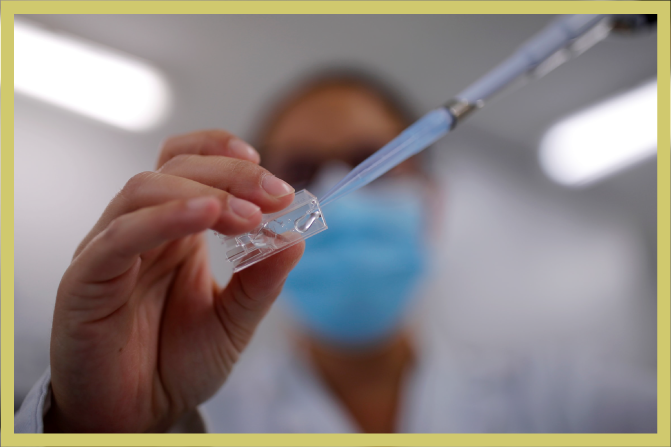
Think Global Health: The World Needs U.S. Funding to Prevent and Prepare for the Next Pandemic (2021)
A pandemic fund could improve global surveillance along with enhancing laboratory, epidemiologic, and healthcare capacity around the world.
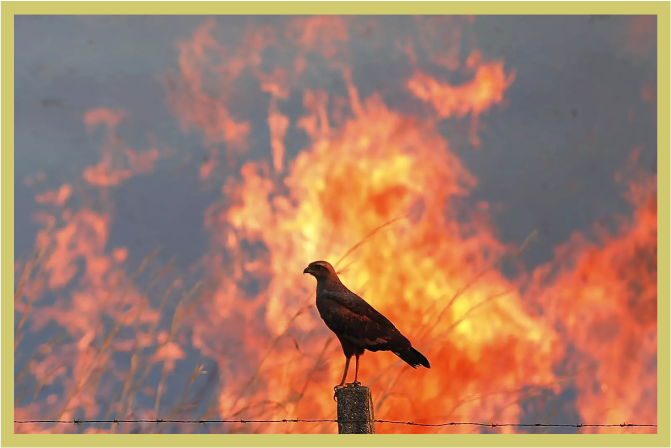
World Econoic Forum: G20 can prevent future pandemics by stopping destruction of nature (2021)
The G20 must help to stop deforestation in tropical areas and reduce human-wildlife contact where deforestation and the risk of spillover is already high.
Get in touch
Neil Vora is a media-savvy expert blending science, storytelling, and personal passions—get in touch if you want to learn more.